



A cultural stay in Sept-Îles: sea, Innu traditions, forest and aluminium
In Sept-Îles, history is not found only in museums. It can be read in the bay, along the quays, deep within the boreal forest and in the vast industrial facilities that shape the landscape. Sept-Îles' local culture has been shaped by several realities that continue to intersect today: the millennia-old presence of the Innu, maritime life, the fur trade, forestry, and mining and industrial development.
A cultural stay in Sept-Îles reveals far more than a Côte-Nord city. It means entering a territory where nature has always shaped travel, traditions, occupations and ways of life.
The sea at the heart of Sept-Îles' history
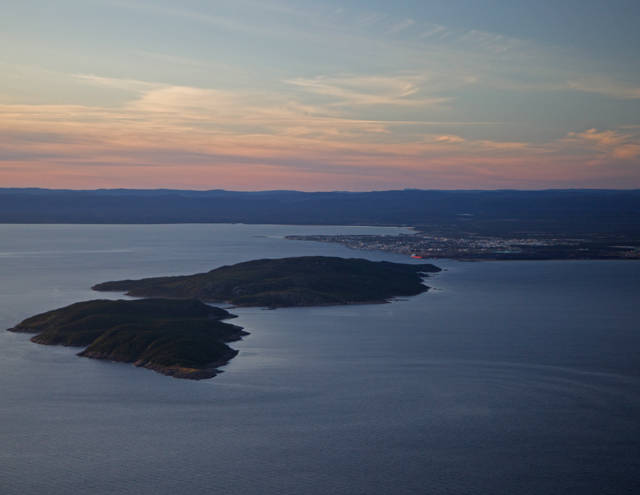
Long before the modern city developed, the Bay of Sept-Îles was already an important place for travel, fishing and gatherings. The archipelago, made up of seven main islands, forms a natural barrier across the bay and provides shelter for boats.
In August 1535, Jacques Cartier recorded one of the earliest known European descriptions of the archipelago, referring to it, among other names, as "Sept Yles". The territory had, however, been inhabited and travelled through by Indigenous peoples for thousands of years, long before the arrival of European explorers.
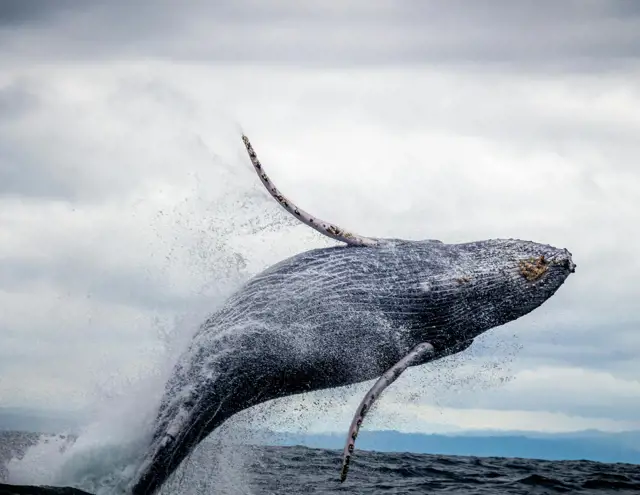
Over the centuries, the sea became essential to the local economy. Fishing drew families to the shores of the bay, while maritime facilities supported trade and the transport of resources. In the early 20th century, a Norwegian company even built a whale oil plant at Pointe-Noire. Opened in 1905, it operated until 1914.
Even today, Vieux-Quai, the marina and excursions through the archipelago reflect the close relationship between Sept-Îles and the St Lawrence River and Gulf. The sea remains a landscape, a transport route and an important part of local identity.
Innu culture: a living presence
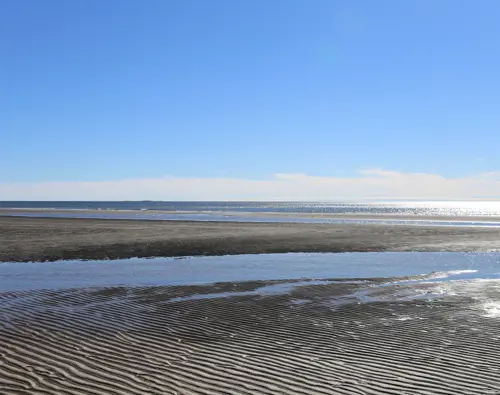
Innu culture is one of the foundations of Sept-Îles' history and identity. Indigenous peoples have lived on and travelled through the Côte-Nord for thousands of years. Their traditional way of life followed the rhythm of the seasons. During the milder months, families gathered mainly along the coast. In autumn and winter, they travelled inland across Nitassinan, their ancestral territory, to hunt, fish and follow the available resources.
Today, the communities of Uashat and Mani-utenam are integral to the region's cultural landscape. Innu-aimun, the Innu language, stories passed down by elders, crafts, music, land-based practices and contemporary artistic expression all reflect a living culture that continues to evolve.
To understand it more fully, Musée Shaputuan is an essential stop. The word "shaputuan" refers to a large traditional tent used as a place for gathering, teaching and sharing. The museum's permanent exhibition explores, among other things, the Innu annual cycle, their relationship with the land and their ability to adapt their movements to the seasons and natural resources. This visit goes beyond general knowledge to reveal a rich, contemporary culture deeply rooted in the Côte-Nord.
Vieux-Poste and the fur trade
Records of fur-trading activity in the Bay of Sept-Îles date from the second half of the 17th century. The exact date when the first trading post was established remains uncertain, but the area quickly became a place of exchange between the Innu and European traders.
Furs were exchanged for various goods brought by French and later British merchants. These trading activities gradually altered habits, travel patterns and relationships among the people living in the territory.
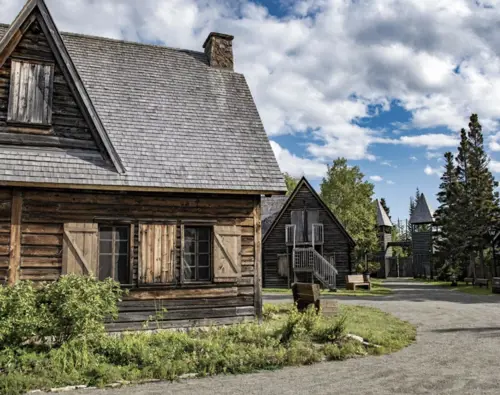
Today, Vieux-Poste de Sept-Îles provides valuable insight into this period. The site is a reconstruction of an 18th-century trading post, built in 1967 using plans, models and measurements drawn from a 1786 inventory.
A visit to Vieux-Poste pairs particularly well with Musée Shaputuan. Together, the two sites offer different perspectives on Sept-Îles' history, commercial exchanges and the changes experienced by Innu communities.
Clarke City and the history of forestry
In the early 20th century, a new industry transformed the region: forestry. Brothers George and William Clarke chose the Sainte-Marguerite River area as the site for a pulp mill. Between 1900 and 1904, a village was built to house workers and their families. The pulp mill began operating in 1908 and was later run under the name Gulf Pulp and Paper Company.
Clarke City then became one of the Côte-Nord's first major industrial centres. To support the mill's operations, the company built a hydroelectric power station, a wharf and the region's first railway. This railway carried pulp for more than 12 kilometres between the mill and the loading wharf.
The mill closed in 1967, and Clarke City was amalgamated with Sept-Îles in 1970. Today, the area retains several traces of this period, including a former locomotive and interpretive displays recalling daily life in this company town. This chapter in the region's history shows how the boreal forest contributed to Sept-Îles' growth.
Iron ore, the port and aluminium
From the mid-20th century onwards, the development of major iron ore deposits north of Sept-Îles profoundly transformed the city. Railways were built to connect the mining sites to the port facilities in the bay.
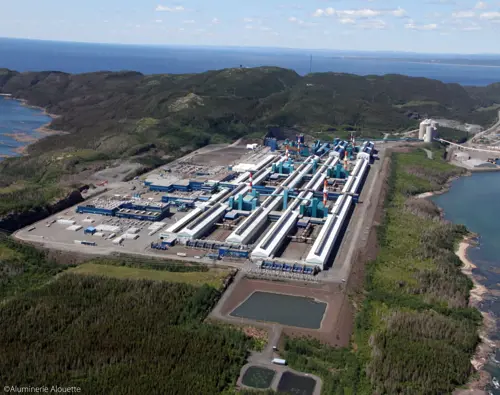
With its deep-water port and strategic location, Sept-Îles became a key point of departure for exporting resources from the Côte-Nord and Labrador. The aluminium industry later added a new chapter to this story. The development of Aluminerie Alouette was announced in 1989, and the first tonne of aluminium was produced in June 1992. Sept-Îles was selected in part because of its port, access to electricity and skilled workforce.
Aluminerie Alouette is now the largest aluminium smelter in the Americas, while the Port of Sept-Îles is North America's largest mineral port. It is also possible to visit the smelter during the summer - an unmissable guided tour for anyone wishing to gain a deeper understanding of Sept-Îles' history and culture.
How to discover Sept-Îles' local culture?
To explore the history and local culture of Sept-Îles, begin at Musée Shaputuan, then continue to Vieux-Poste. Musée régional de la Côte-Nord also offers a deeper understanding of how the territory was inhabited and used, local ways of life and regional development.
A walk around Vieux-Quai then gives a tangible sense of the sea's importance. To complete the experience, an excursion through the archipelago or a visit to Clarke City offers a closer look at the region's landscapes and industrial heritage.
Located in the heart of the city, Hôtels Gouverneur Sept-Îles is a convenient base from which to explore these sites and discover the Côte-Nord at your own pace.
Sept-Îles' local culture is not defined by a single era or industry. The living presence of the Innu forms its foundation. The sea enabled travel, fishing and trade. The forest gave rise to Clarke City. Iron ore, the port and aluminium then shaped the modern city. To visit Sept-Îles is to discover a powerful Côte-Nord history, complex and deeply human.
FAQ about Sept-Îles' culture and history
Why is the city called Sept-Îles?
The name refers to the seven main islands in the archipelago lying across the bay. In August 1535, Jacques Cartier described the area in his journal and referred to it, among other names, as "Sept Yles". The territory, however, already had names in Innu-aimun and had been inhabited and travelled through by Indigenous peoples for thousands of years.
Where can visitors discover Innu culture in Sept-Îles?
Musée Shaputuan is one of the region's main places dedicated to Innu culture. Its permanent exhibition explores the seasonal cycle, traditional ways of life, the relationship with the land and practices of cultural transmission. The communities of Uashat and Mani-utenam also play an active role in Sept-Îles' cultural life.
Why is the sea important to Sept-Îles' history?
The bay and its archipelago provide natural protection for boats. The sea supported fishing, travel, the fur trade and the arrival of new populations. Today, it plays an essential role in transporting iron ore, aluminium and a wide range of goods.
What can visitors see at Vieux-Poste de Sept-Îles?
Vieux-Poste is a reconstruction of an 18th-century trading post. The site offers insight into the exchange of furs between the Innu and European traders, as well as the economic and social changes associated with the fur trade.
What remains of Sept-Îles' forestry history?
The Clarke City area preserves the memory of the early 20th-century forestry industry. Visitors can see a former locomotive and various interpretive displays. The site recalls the pulp mill, hydroelectric power station and the region's first railway.
What role does aluminium play in Sept-Îles?
Since production began at Aluminerie Alouette in 1992, aluminium has played an important role in the local economy. The industry benefits from the presence of a deep-water port, access to electricity and regional expertise. It is now one of Sept-Îles' leading industrial sectors.
Which museums should you visit in Sept-Îles?
Key places to visit include Musée Shaputuan, Musée régional de la Côte-Nord and Vieux-Poste. These sites explore Innu culture, maritime history, the fur trade, settlement and land use, and the region's economic development. In summer, Aluminerie Alouette also opens its doors to the public and offers guided tours (booking required).